
How to Increase Jet Ski Performance with Aftermarket Parts | PWCParts.com
Posted by PWCParts Team on May 1st 2026
How to Increase Jet Ski Performance with Aftermarket Parts | PWCParts.com
You've been riding your jet ski all season and it's solid — but it could be faster, crisper, and more fun. Maybe your buddy's Sea-Doo pulls away from you in the straights, or you want more snap off the buoys. The good news: you don't need a new watercraft. The right aftermarket performance parts can transform a stock PWC into something genuinely exciting, and most upgrades are bolt-on installs you can handle in your garage. Here's what actually moves the needle — and what to look for when you're building your power list.
Start Here: How PWC Performance Parts Upgrades Work
Your jet ski is a system. The engine produces power, that power spins an impeller through a jet pump, and the pump pushes water to move the craft. Most factory setups are tuned conservatively for reliability, fuel economy, and dealer liability — not maximum performance. Aftermarket parts attack each part of that chain. You can flow more air and exhaust out of the engine, increase impeller efficiency, tighten up the pump, and even adjust how the computer manages ignition timing. Small gains compound. A free-flow exhaust combined with a performance impeller can shave real seconds off your top-end run and noticeably change how the craft hooks up coming out of turns.
Performance Impellers: The Biggest Bang for Your Buck
If you're going to make one upgrade, make it the impeller. The stock impeller on most jet skis is a compromise design — decent across a wide range of conditions, but optimized for nothing in particular. A performance impeller is designed with specific pitch, rake, and blade geometry for your riding style. More pitch = higher top speed (but slower acceleration). Less pitch = snappier hole shot. The sweet spot depends on how you ride and whether your engine has other supporting mods.
SOLAS is the most trusted name in aftermarket impellers, and PWCParts.com stocks the full lineup. For example, the Solas Kawasaki Impeller for ULTRA LX 2007–2020 (KX-CD-10/16) is built from stainless steel for durability and optimized pitch geometry for better top-end performance than the OEM impeller. Stainless construction also resists cavitation damage that kills aluminum impellers in sand-heavy water. When shopping, match the impeller to your model year precisely — a small pitch difference can completely change your powerband.

Free-Flow and Performance Exhaust Kits
Your stock exhaust system is designed to suppress sound. The silencer and baffles that reduce noise also restrict flow — and restricted flow costs you horsepower. A free-flow or performance exhaust kit removes the restrictive sound suppression components between the waterbox and hull exit, allowing exhaust gases to escape faster. This reduces back pressure in the combustion chamber, which means more complete combustion, better throttle response, and real horsepower gains across the rev range.
RIVA Racing makes the best bolt-on exhaust kits in the PWC world. The RIVA Performance Free Flow Exhaust Kit for Sea-Doo SPARK (RS16130) is a perfect example — it's a direct-fit replacement that requires no cutting or major modification, and riders consistently report sharper mid-range power and improved top speed after installation. For smaller-displacement engines like the SPARK's Rotax 900, even moderate exhaust improvements yield a noticeable change in character. The kit also works for both 2-Up and 3-Up hull configurations.
Intake and Airflow Mods
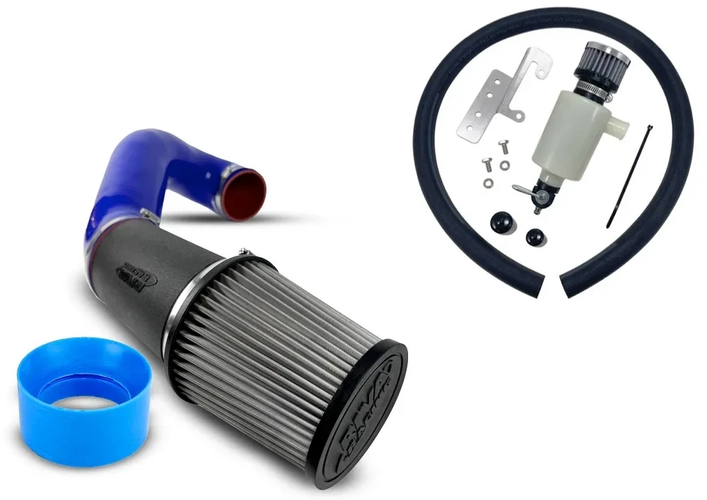
An engine that breathes better makes more power. On most PWCs this means upgrading the air filter or intake components to allow a greater volume of cooler, denser air into the combustion chamber. Some supercharged models also benefit significantly from improved air intake routing that reduces heat soak — critical on the Kawasaki ULTRA series and Sea-Doo's RXT-X platform where engine bay temps can climb in summer. If you've already upgraded your exhaust, the intake is the natural next step. Together they improve airflow through the entire engine, and that's when you really start to see dyno-sheet gains.
Jet Pump Upgrades: Wear Rings, Nozzles, and Ride Plates
Beyond the impeller, the rest of your jet pump system affects efficiency. A worn wear ring allows water to slip past the impeller blades — essentially robbing you of thrust that should be pushing the craft forward. If your wear ring clearance has opened up, you're already losing performance compared to the day you bought the ski. Replacing the wear ring as part of an impeller upgrade is smart wrenching: you're already in the pump, so do it right.
Steering nozzles and reversing buckets also affect handling, especially at speed. Aftermarket nozzles with tighter tolerances improve directional response and reduce the sloppy, disconnected feel that develops as OEM plastic parts wear. Ride plates are another sleeper upgrade — a performance ride plate can improve lift characteristics and reduce bow-steer at top speed, particularly on high-horsepower models. PWCParts.com carries a full catalog of performance impellers and pump components so you can build out the complete pump package in one order.
Tuning and ECU Considerations
Physical mods only go so far if the engine management system is still running conservative factory maps. Modern PWCs use electronic control units (ECUs) that govern ignition timing, fuel delivery, and RPM limiters. Many aftermarket tune solutions — from piggyback modules to full ECU flashes — allow you to unlock timing advance and remove rev limiters that choke top-end performance. This is especially relevant on supercharged models where the factory tune leaves significant power on the table in the interest of supercharger longevity. Note: ECU tuning typically requires supporting hardware mods (exhaust, intake) to be safe and effective. Running aggressive timing on a stock exhaust system can cause detonation and engine damage.
Putting It All Together: Building a Sensible Upgrade Path
The smart approach is to build in stages rather than throw everything at it at once. Start with the impeller — it's the single highest-impact upgrade for most riders and it helps you understand your current powerband before you change anything else. Then add exhaust to free up airflow. Complement with intake improvements. Finally, tune the ECU if you want to extract maximum power from the hardware changes. At each stage, test and ride. Performance upgrades should make your jet ski more fun, not create new problems. And always source quality parts — a cheap no-name impeller that cavitates or fails can damage your pump and cost you far more than you saved.
FAQ: Increasing Jet Ski Performance with Aftermarket Parts
What is the single best aftermarket upgrade for jet ski performance?
A performance impeller from a reputable manufacturer like SOLAS is the most impactful single upgrade for most riders. It directly improves how efficiently your pump converts engine power into thrust, affecting both acceleration and top speed depending on the pitch selected. It's also one of the more straightforward DIY installs with the right tools.
Will a free-flow exhaust damage my engine?
A quality bolt-on free-flow exhaust kit like those from RIVA Racing is designed specifically for your PWC and will not damage your engine when installed correctly. These kits reduce restrictive back pressure without altering combustion parameters. If you're concerned about engine health, pair the exhaust upgrade with a proper ECU tune from a reputable provider who specializes in your brand.
Do aftermarket performance parts void my warranty?
Generally, yes — performance modifications can void the manufacturer's warranty on affected components. However, once your watercraft is out of warranty, there's no restriction. Many riders purchase pre-owned PWCs specifically to modify them without warranty concerns. Always verify your current warranty status and read the terms before installing aftermarket parts if your machine is still covered.